How to plan a flight with mobility assistance
Arrange assistance for each leg, equipment transport and arrival at your destination, with questions to resolve before buying your ticket.
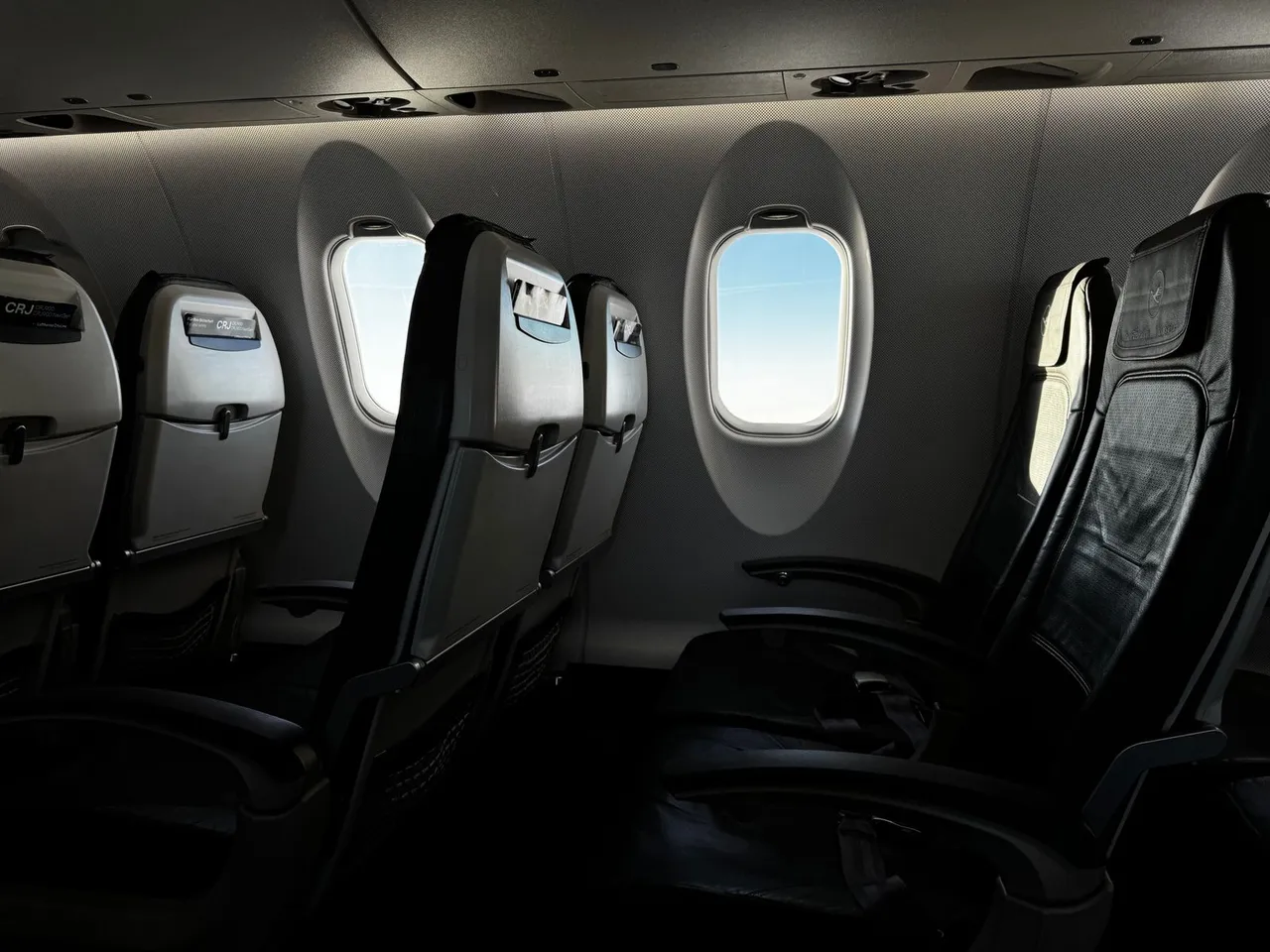
To plan a flight with mobility assistance, describe the support you need and confirm how it will be provided at each airport. Separate the assistance request from the conditions for transporting your equipment.
This itinerary helps organize the conversation before purchase and track replies through arrival. It promises no universal service: airline, aircraft, airport and connection arrangements all need confirmation.
Start with three decisions: which route works for you, which support is essential and which unresolved issues prevent booking. Keep a short note you can also consult offline.
1. Describe your needs before choosing the flight
Write down what needs to happen in practice: moving through the terminal, help boarding or leaving the aircraft and transferring to your seat. Explain what you do independently and what you want to arrange with staff.
British Airways separates information on available services from assistance requests. Use the channel of the airline operating your flight; this example does not mean other airlines offer the same resources.
Avoid reducing the request to a condition or diagnosis. A functional description helps you ask specific questions without disclosing personal details unnecessary for organizing the service.
Reference: British Airways: disability and mobility assistance.
- Do I need support from the transport drop-off point or only inside part of the terminal?
- Can I use stairs, or must I confirm a step-free alternative?
- How do I prefer to receive instructions and communicate a change in need?
2. Compare the whole route, not just the fare
Create a timeline covering departure, connection, destination and onward transport. Compare the effort of each transfer and the points where another team takes over assistance.
If connecting, request guidance for that itinerary, including terminal changes and wheelchair handover. Do not select a connection interval based on a generic rule found for another airport.
- Who provides assistance on each leg, and where do I meet the team?
- If the flight changes or is delayed, who reorganizes support and how will I be told?
- Does a change of aircraft or airline require renewed equipment confirmation?
- Does transport to my accommodation accept my equipment, and is it separately confirmed?
3. Prepare wheelchair and battery information
Gather the brand, model, dimensions, weight and manufacturer's instructions. For a battery, have its identification and technical sheet ready for the airline to assess transport; do not improvise disassembly or disconnection.
LATAM publishes specific guidance for personal wheelchairs and batteries. Read the page and confirm how it applies to you; do not transfer one airline's limits or procedures to another.
Confirm where you will hand over and receive your wheelchair. Photograph the equipment and record removable parts as a reference of its condition before handover, without replacing the airline's procedure.
Reference: LATAM: transporting your own wheelchair.
- Has the airline assessed my model, battery and dimensions for the booked legs?
- How should the cushion, controls and removable parts be identified and transported?
- What procedure applies if the equipment does not arrive at the agreed place?
4. Request assistance and confirm it in writing
Check the operator's deadlines before completing a booking. Send the itinerary and required support through its designated channel, record the reference number and check that the reply covers every leg.
If buying through an agency, ask who registers the request with the airline. Do not treat a note in a purchase order as operational confirmation of the service.
- Ask the airline to distinguish confirmed, requested and still-under-review arrangements.
- Record required documents and the secure channel designated for sending them, when applicable.
- Reconfirm any change to flights, connections, equipment or support needs.
5. Organize boarding and arrival
Before leaving, read current flight instructions and agree the meeting point. Keep the ticket, reference number, contacts and equipment sheet accessible on your phone and in an offline alternative.
At check-in, review the route to the seat and equipment handover. If anything differs from the arrangement, ask before transferring and explain your preferences directly to staff.
On arrival, check the wheelchair before continuing your journey. If you notice a difference or damage, document it and use the operator's designated customer-service channel to report it.
- Also agree where to meet a companion or driver after leaving the aircraft.
- Ask how gate, delay and change notices can be received in a usable format.
- Keep an alternative contact if the initial staff cannot locate the request.
6. Avoid gaps that leave your plan incomplete
Key issues in this itinerary are booking before clarifying an essential barrier, assuming connections are included and relying on a conversation without a reference number.
Make an alternative plan for delays, terminal changes or unavailable transport. You need not predict everything: identify whom to contact and which condition must be resolved before continuing.
- Do not accept a generic answer as a sufficient description of the route to the aircraft.
- Do not assume airport assistance includes personal support throughout the flight.
- Do not treat this guide's retrieval date as confirmation of your reservation.
Checklist before confirming
- Support needs described clearly for every leg.
- Route, connections and meeting points checked with the responsible providers.
- Model, dimensions, weight and battery information sent when requested.
- Equipment handover and return conditions recorded.
- Assistance confirmed in writing, with reference number and outstanding issues identified.
- Documents, contacts and an alternative plan available offline.
- Arrival transport and accommodation access confirmed separately.
Frequently asked questions
Is there one deadline for all assistance requests?
Do not use a universal deadline. Ask the operating airline about your itinerary and type of assistance before booking; keep its instructions and check flight changes.
Can I travel with my own wheelchair?
Confirm conditions for your model and aircraft with the operator. LATAM has specific wheelchair guidance; it does not replace assessment of your equipment or automatically apply to another airline.
Reference: LATAM: transporting your own wheelchair.
Does the assistance request cover my connection?
Request explicit confirmation for every leg, airport and team handover. Record where support starts and ends, and what happens in a delay, terminal change or booking alteration.
How do I know if I need a companion?
Describe the support needed and ask what staff actually provide. For health or personal-support questions, consult a professional familiar with your needs; this guide does not make that assessment.
Planning guidance, not medical or legal advice. Confirm services, conditions and costs with the providers. Sources do not represent a SOL inspection or certification.
Sources and retrieval dates
- British Airways: disability and mobility assistance
Retrieved: .
The airline's own guidance. No identified editorial date; it does not represent every airline's rules.
- LATAM: transporting your own wheelchair
Retrieved: .
The airline's own guidance. No identified editorial date; confirm the rule applying to your equipment and flight.
Continue planning
- How to book accessible accommodation with clear answers
- Accessible events: what to confirm before attending
Would your organization like to prepare a more accessible experience? Discover SOL talks, training and consulting ↗