Adaptive surfing: planning your first experience
Discuss your first session with the team, from beach access and equipment to signals for requesting support, a break or an end to the activity.
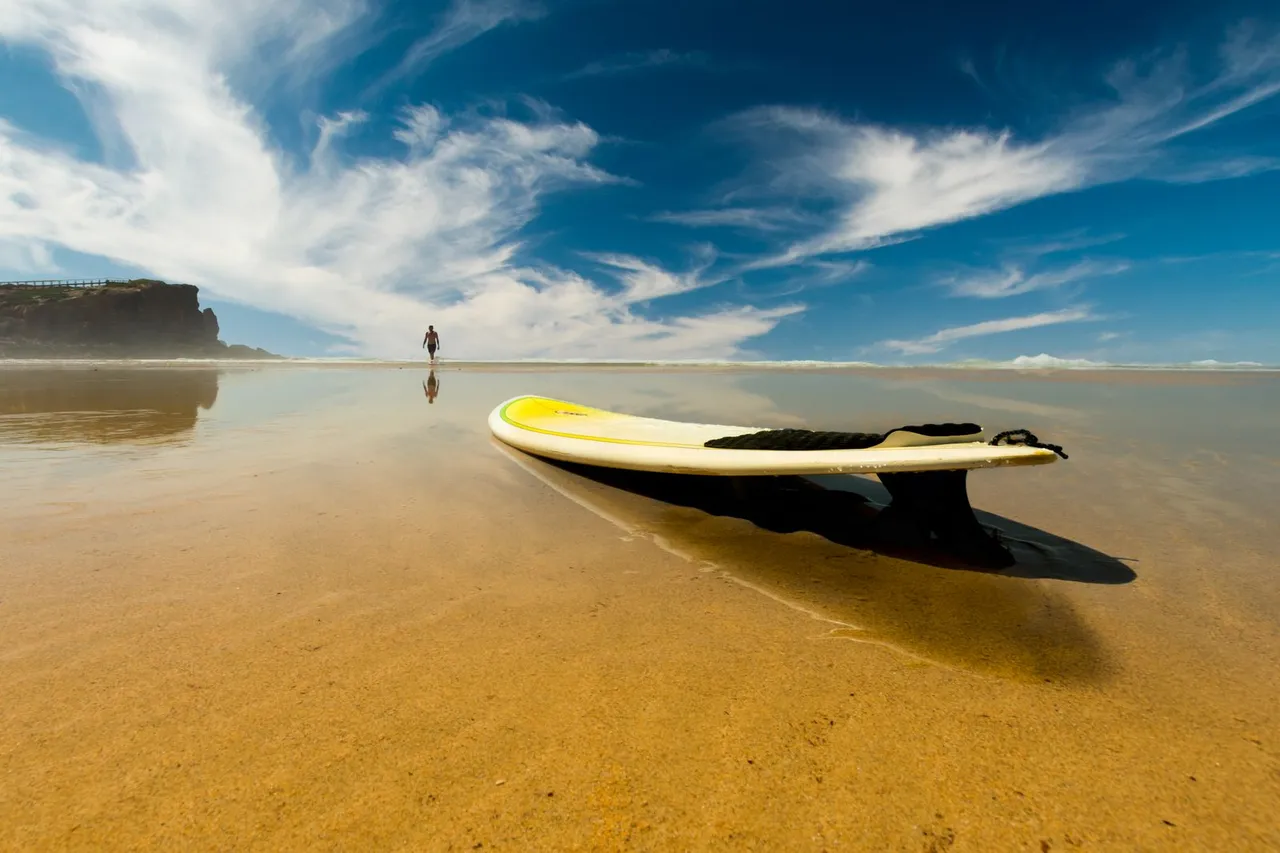
To organize your first adaptive surfing experience, start by speaking with the session leader. Explain what you would like to try and confirm access, assistance, equipment and communication before booking.
A photograph of someone else surfing does not describe how you will participate. Your plan should reflect your preferences and the resources the team can actually provide at that activity.
Use this guide to prepare questions, not to learn transfer techniques, assess the sea or decide health suitability. Those matters require qualified people and individual guidance when necessary.
1. Understand the experience being offered
Ask whether the offer is an introduction, recurring lessons or sports preparation. Agree a realistic goal for the session without assuming the first visit must involve a particular position or performance.
The ISA gathers information on Para Surfing, classification and materials about the sport. Its institutional page does not establish a school's qualifications or define a local recreational session's conditions.
Ask the operator to explain its participation criteria. Do not infer from competition rules that sports classification is automatically required for the activity you want.
Reference: International Surfing Association: Para Surfing.
- What does the session include, and which stages happen on land?
- Can the experience be adjusted or ended according to my preferences?
- Which information is needed to assess whether the offer meets my needs?
2. Get to know the team and the limits of support
Ask for the responsible person's name and the team's experience in adaptive activities and water safety. If training is mentioned, ask what it is and how to check it.
AccesSurf describes assisted activities, trained volunteers and specific equipment in its Hawaii programme. This organizer's account is an example, not evidence about another team or venue.
Agree who will provide each part of the service. Avoid relying on assistance the school has not confirmed or assigning a companion responsibilities they did not accept.
Reference: AccesSurf: Day at the Beach Program.
- Who coordinates the session, and whom can I ask before starting?
- What support is provided on land, entering the water and returning?
- How does the team handle interruptions, and what procedure is explained to participants?
3. Check the route to the activity location
Check the meeting point and route between transport, sand and preparation area. Describe your mobility equipment and ask how it will be stored while you participate.
Confirm bathrooms, changing facilities and rest space. If any depend on another facility, request its contact and route; do not treat them as automatically included in the lesson.
- Is there a firm path to the activity's start, and where does it end?
- How will the remaining section be crossed, with what agreed support?
- Can my companion reach the same point and remain nearby?
- Where will I find return transport if the session ends elsewhere on the beach?
4. Discuss equipment and transfers
Ask which boards, supports and other equipment the team may consider. Request an explanation of the choice and how to communicate discomfort; this text does not recommend a specific adaptation.
Before any movement, agree how you prefer assistance and who will take part. The explanation must be understandable to you, with space to ask questions, decline or stop.
For health questions or limitations requiring individual assessment, consult the appropriate professional and ask the operator which information is necessary. Do not send sensitive details unnecessarily.
- Does the available equipment meet the needs I described?
- How does staff explain the transfer process and confirm my consent?
- What happens if I decide not to enter the water after seeing the facilities?
5. Agree on signals, breaks and expectations
Discuss on land how to understand instructions and signal a break or finish. If spoken communication does not work well for you, ask the team to propose an alternative and confirm understanding.
Clarify the session's sequence and rest periods without requiring a sporting outcome. You may simply want to get to know the environment and assess the offer before continuing another time.
- Which signal should I use for a break, help or a return to shore?
- How will I receive instructions amid noise, distance or hearing difficulties?
- Will staff tell me before changing position, equipment or activity stage?
- How are photographs and videos handled? I want to decide about recording and sharing.
6. Finalize the day plan and an alternative
Confirm the operator's stated price, what is included, expected duration and cancellation rules. Ask who decides on local conditions and when the session will be confirmed.
Avoid arriving without discussing support, assuming adaptive equipment suits everyone or treating old images as evidence of current facilities.
Keep contact details, the meeting point and essential answers. After the session, note what worked for you and what you would change; this helps the next conversation but does not replace fresh confirmation.
- If sea conditions prevent surfing, is another date or activity offered? Under which conditions?
- Is there a registration or accompaniment requirement I must arrange?
- How will transport and the waiting area work if the programme changes?
Checklist before confirming
- First-experience objective and session offer clarified.
- Responsible team and support limits identified.
- Arrival, bathrooms, rest and equipment storage confirmed.
- Equipment and transfers discussed before participating.
- Break, assistance and finish signals agreed.
- Costs, registration, cancellations and day-of contact recorded.
- Preferences about companions, photos and videos communicated.
Frequently asked questions
Do I already need to know how to surf?
Ask which experience and knowledge the operator requires for that activity. Explain it will be your first time and ask staff to explain the stages instead of assuming all schools use the same criteria.
Do I need a sports classification?
The ISA publishes classification resources for the sport. That does not confirm a requirement for a recreational experience; check the specific activity's criteria and distinguish lessons from competition.
Reference: International Surfing Association: Para Surfing.
How can I tell whether the activity is suitable for me?
Explain your needs to staff and request details about facilities and support. Health questions require appropriate individual guidance. No description here guarantees safety or replaces that assessment.
Can I participate without agreeing to photographs?
Discuss recording and sharing before registering. Ask the operator how your preference will be communicated to staff and handled during the activity; do not assume an unconfirmed policy.
Planning guidance, not medical or legal advice. Confirm services, conditions and costs with the providers. Sources do not represent a SOL inspection or certification.
Sources and retrieval dates
- International Surfing Association: Para Surfing
Retrieved: .
Institutional reference about the sport, with no identified editorial date. It includes earlier competition materials and does not confirm local lessons.
- AccesSurf: Day at the Beach Program
Retrieved: .
A Hawaii programme described by its organizer, not an offer in Brazil. No identified editorial date; consult the organizer's calendar.
Continue planning
Explore places and activities ↗Would your organization like to prepare a more accessible experience? Discover SOL talks, training and consulting ↗